-
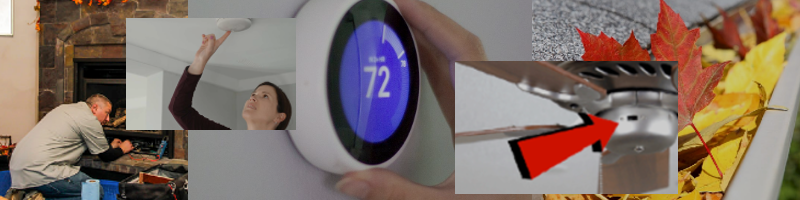
Inspect and clean your heating system: Have your heating system professionally inspected and serviced, even if you don't use it much. This will ensure it operates efficiently when you need it.
-
Check for drafts: Look for drafts around windows and doors. Seal any gaps with weatherstripping or caulking to prevent heat from escaping and cold air from entering.
-
Adjust your thermostat: Lower your thermostat slightly when you're at home and active, and set it to a cooler temperature when you're sleeping or away to save on heating costs.
-
Insulate your home: Ensure your home is well-insulated to maintain a consistent temperature. This can include adding insulation to the attic, walls, and floors if needed.
-
Service your fireplace: If you have a fireplace, make sure it's clean and in good working order. Consider installing a chimney cap to prevent drafts and pests from entering through the chimney.
-
Clean and replace filters: Regularly clean or replace filters in your HVAC system. Clogged filters can reduce efficiency and indoor air quality.
-
Reverse ceiling fans: If you have ceiling fans, switch them to run in a clockwise direction at a low speed. This will help distribute warm air more evenly throughout the room.
-
Seal air ducts: Check your air ducts for leaks and seal them with duct tape or mastic sealant. Leaky ducts can waste energy.
-
Inspect your roof and gutters: Ensure your roof is in good condition and clean out your gutters to prevent ice dams or water damage during winter rains.
-
Prepare for power outages: Even in areas that don't typically experience harsh winters, it's a good idea to have a backup plan in case of power outages. Consider investing in a generator or having emergency supplies on hand, such as flashlights, batteries, and non-perishable food.
-
Test smoke and carbon monoxide detectors: Make sure your smoke and carbon monoxide detectors are working correctly and replace batteries if needed.
Remember that the specific steps you need to take may vary depending on the climate in your region and the type of heating and cooling systems you have in your home. It's a good idea to start your winter preparations early to ensure a comfortable and energy-efficient season.


